Standard or Collateral Charge Mortgage. What’s best for you?

Darlene Nieboer • October 1, 2025

When arranging mortgage financing, your mortgage lender will register your mortgage in one of two ways. Either with a standard charge mortgage or a collateral charge mortgage. Let’s look at the differences between the two.


Standard charge mortgage


This is your good old-fashioned mortgage. A standard charge mortgage is the mortgage you most likely think about when you consider mortgage financing. Here, the amount you borrow from the lender is the amount that is registered against the title to protect the lender if you default on your mortgage.


When your mortgage term is up, you can either renew your existing mortgage or, if it makes more financial sense, you can switch your mortgage to another lender. As long as you aren’t changing any of the fine print, the new lender will usually cover the cost of the switch.


A standard charge mortgage has set terms and is non-advanceable. This means that if you need to borrow more money, you'll need to reapply and requalify for a new mortgage. So there will be costs associated with breaking your existing mortgage and costs to register a new one.


Collateral charge mortgage


A collateral charge mortgage is a mortgage that can have multiple parts, usually with a re-advanceable component. It can include many different financing options like a personal loan or line of credit. Your mortgage is registered against the title in a way that should you need to borrow more money down the line; you can do so fairly easily.


A home equity line of credit is a good example of a collateral charge mortgage.


Unlike a standard charge mortgage, here, your lender will register a higher amount than what you actually borrow. This could be for the property's full value, or some lenders will go up to 125% of your property's value. 


In the future, if the value of your property appreciates, with a collateral charge mortgage, you don't have to rewrite your existing mortgage to borrow more money (assuming you qualify). This will save you from any costs associated with breaking your existing mortgage and registering a new one. 


However, if you’re looking to switch your mortgage to another lender at the end of your term, you might be forced to discharge your mortgage and incur legal fees. Also, by registering your mortgage with a collateral charge, you potentially limit your ability to secure a second mortgage.


So what’s a better option for you?


Well, there are benefits and drawbacks to both. Finding the best option for you really depends on your financial situation and what you believe gives you the most flexibility. This is probably a question better handled in a conversation rather than in an article.


With that said, undoubtedly, the best option is to work with an independent mortgage professional. It’s our job to understand the intricacies of mortgage financing, listen to and assess your needs, and recommend the best mortgage to meet your needs. As we work with many lenders, we can provide you with options. Don’t get stuck dealing with a single institution that may only offer you a collateral charge mortgage when what you need is a standard charge mortgage. 


So if you’d like to have a conversation about mortgage financing, please get in touch. It would be a pleasure to work with you and answer any questions you might have. 
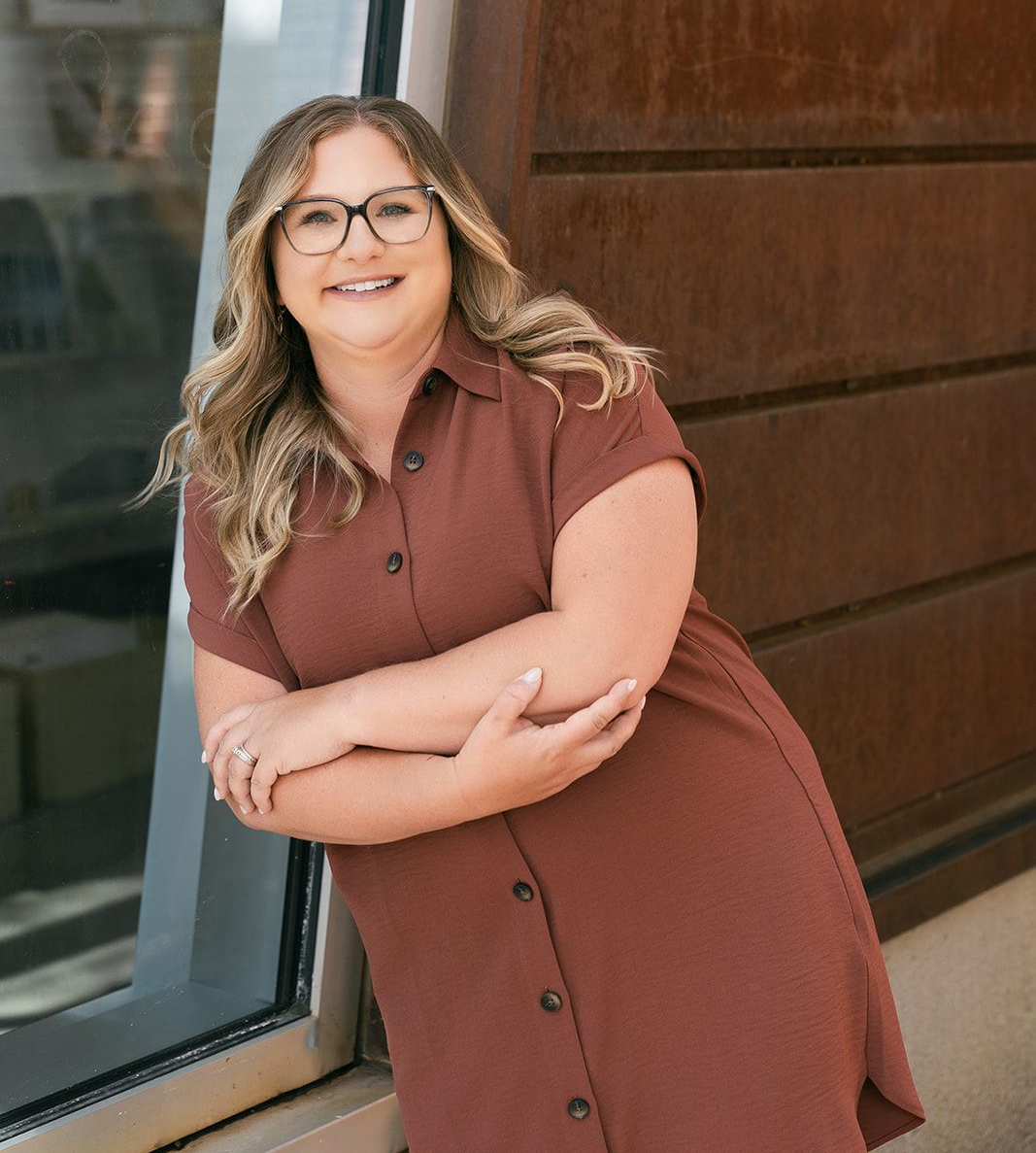
Woman in glasses and rust-colored dress, smiling, arms crossed, leaning against a building.
Darlene Nieboer
GET STARTED
Kitchen with white countertops, sink, and window. Decorative cutting boards, vase with flowers, and a tea set.
By Darlene Nieboer January 7, 2026
If you’ve been thinking about buying a second property and you’re looking to put some of the pieces together, you’ve come to the right place! Whether you’re looking to buy a vacation property, start a rental portfolio, or help accommodate a family member, there are many reasons to buy a second property (while keeping your existing property), which might make sense for you! Now, while there are many great reasons to buy a second property, there is also a lot to know as you walk through the process. The key here is to have absolute clarity around your why. Ask yourself, why do you want to buy a second property? This isn’t a decision to be taken lightly or one that should be made too quickly. Buying a second property should be a strategic decision that allows you to accomplish your goals, and it should include an assessment of your overall financial health. So with clear goals in mind, the best place to start the process is to have a conversation with an independent mortgage professional. This will allow you to assess your financial situation, outline the costs, and put together a plan to make it happen. While purchasing a second property is similar to buying a primary residence, there are some key differences. Just because you’ve qualified in the past for your existing mortgage doesn’t mean you’ll qualify to purchase a second property. One key difference is the amount of downpayment you might be required to come up with. A property that is owner-occupied or occupied by a family member on a rent-free basis will require less of a downpayment than if the second property will be used to generate an income. So, depending on the property's intended use, you might have to come up with as much as 25%-35% down. This is where strategic planning comes in. Consider unlocking the equity in your existing home to finance the downpayment to purchase your second home. Here are a few ways you can go about doing that: Securing a new mortgage if you own your property clear title Refinancing your existing mortgage to access additional funds Securing a home equity line of credit (HELOC) Getting a second mortgage behind your existing first mortgage Securing a reverse mortgage The conversation about buying a second property should include assessing your overall financial health, leveraging your existing assets to lower your overall cost of borrowing, and figuring out the best way to accomplish your goals. And as it's impossible to outline every scenario in a simple blog post, if you’d like to discuss your goals and put a plan together to finance a second property, connect anytime. It would be a pleasure to work with you.
Two people smiling while looking up, reclining on a brown couch.
By Darlene Nieboer December 31, 2025
Buying your first home is a big deal. And while you may feel like you’re ready to take that step, here are 4 things that will prove it out. 1. You have at least 5% available for a downpayment. To buy your first home, you need to come up with at least 5% for a downpayment. From there, you’ll be expected to have roughly 1.5% of the purchase price set aside for closing costs. If you’ve saved your downpayment by accumulating your own funds, it means you have a positive cash flow which is a good thing. However, if you don’t quite have enough saved up on your own, but you have a family member who is willing to give you a gift to assist you, that works too. 2. You have established credit. Building a credit score takes some time. Before any lender considers you for mortgage financing, they want to see that you have an established history of repaying the money you’ve already borrowed. Typically two trade lines, for a period of two years, with a minimum amount of $2000, should work! Now, if you’ve had some credit issues in the past, it doesn’t mean you aren’t ready to be a homeowner. However, it might mean a little more planning is required! A co-signor can be considered here as well. 3. You have the income to make your mortgage payments. And then some. If you’re going to borrow money to buy a house, the lender wants to make sure that you have the ability to pay it back. Plus interest. The ideal situation is to have a permanent full-time position where you’re past probation. Now, if you rely on any inconsistent forms of income, having a two-year history is required. A good rule of thumb is to keep the costs of homeownership to under a third of your gross income, leaving you with two-thirds of your income to pay for your life. 4. You’ve discussed mortgage financing with a professional. Buying your first home can be quite a process. With all the information available online, it’s hard to know where to start. While you might feel ready, there are lots of steps to take; way more than can be outlined in a simple article like this one. So if you think you’re ready to buy your first home, the best place to start is with a preapproval! Let's discuss your financial situation, talk through your downpayment options, look at your credit score, assess your income and liabilities, and ultimately see what kind of mortgage you can qualify for to become a homeowner! Please connect anytime; it would be a pleasure to work with you!